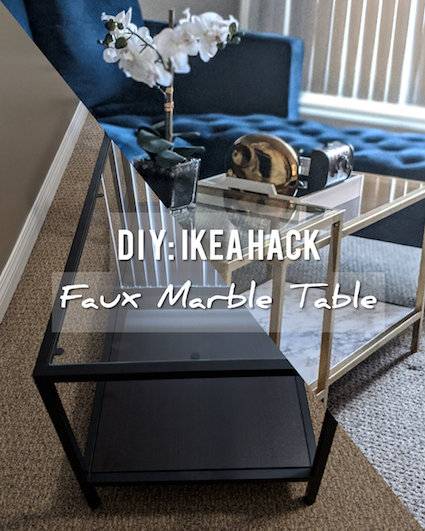
I don’t know about you, but I love me some interior decorating! It’s not something that I would get into as a profession (Interior designer), but it is a hobby I have started to take an interest in since moving into my apartment in the summer of 2018. I spend a lot of my time at home when I’m not working, and genuinely enjoy my own company, so it’s really important to me that my space feels like home and is aesthetically pleasing.
Now that I have the freedom to decorate my own space to reflect my personality, I like using platforms like Pinterest or Instagram—which, by the way, are great visual search engines—for inspiration. Let’s face it: life is expensive, and home furniture is no different. However, if you’re anything like me and define yourself as someone who is frugal, then it doesn’t necessarily have to cost a fortune. There are plenty of inexpensive alternatives you can check out without breaking the bank. Platform like Kijiji, Letgo, local thrift stores (like the Salvation Army and Goodwill), and of course, my favourite, IKEA, are great places to start.
The beauty of buying inexpensive pieces is that you get the opportunity to ignite your inner creativity. You’re probably thinking, where are you going with this, Abigail? Well, if you haven’t already figured it out from the title of this post, it’s quite simple: do-it-yourself (DIY)!
DIY is pretty self-explanatory—it’s the activity of building, revamping, or repairing things without the direct aid of experts or professionals. By no means are you required to be highly skilled to commit to such activity. DIY projects can be very simple or complex, depending on what you are trying to achieve. Listen, if I can do it, you definitely can! There are tips and tricks, ideas, and how-to videos available online to help you get you started on your transformations.
With that being said, I would like to share with you how I transformed this IKEA VITTSJÖ Nesting coffee table into a luxurious DIY faux marble coffee table.
How it all started
One of the very first pieces of furniture I purchased for my living room was the TODD Interchangeable Sectional Velvet Sofa in blue from Structube. I decided to go with this color because I thought it would contrast beautifully against my taupe-coloured wall, setting a sophisticated tone for the space. This sectional not only adds a luxurious feel and elevates the overall look of the room, but it also serves as the focal point that I wanted to design everything else around—while being careful not to draw attention away from it.
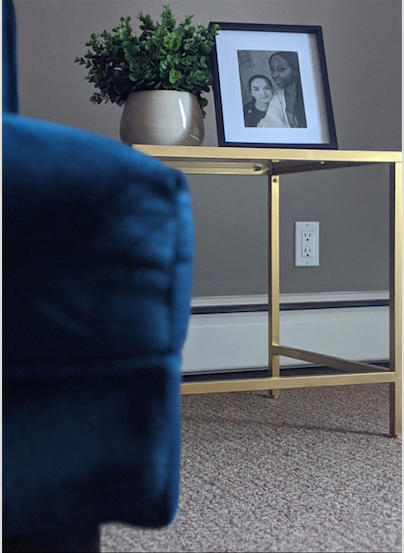
To complement the blue velvet, I wanted to add accents of gold to bring out my living room aesthetics, and figured purchasing a gold coffee table would really tie the whole look together. So, that’s when I began my search for a rectangular-shaped gold coffee table. Whew chile! Those tables are not cheap—I’m talking $200.00 and up! There was no way I was going to spend my hard earned coins on a coffee table that cost that much.
As I mentioned before, I am frugal—I don’t like to spend above my means, and I’m also rational. As I looked for other alternatives, it dawned on me that I could easily turn this into a DIY project. After browsing through Kijiji and Letgo for used or new coffee tables without much success, I hopped onto IKEA’s website. Lo and behold, they had EXACTLY what I needed to get started on my project.
Disclaimer: It is important to make sure your project surface is clean of any dust or debris prior to priming and spray painting to ensure a smooth finish. I, however, overlooked this step prior to spray painting. Once I finished priming the table, I had to postpone the project for a bit. After being stored away for months, I neglected to wipe down the surface before spraying the gold paint, which resulted in a “not so smooth” finish. Nonetheless, I’m still pleased with the final product of my perfect imperfection.
Items You’ll Need:


Step 1: Purchase
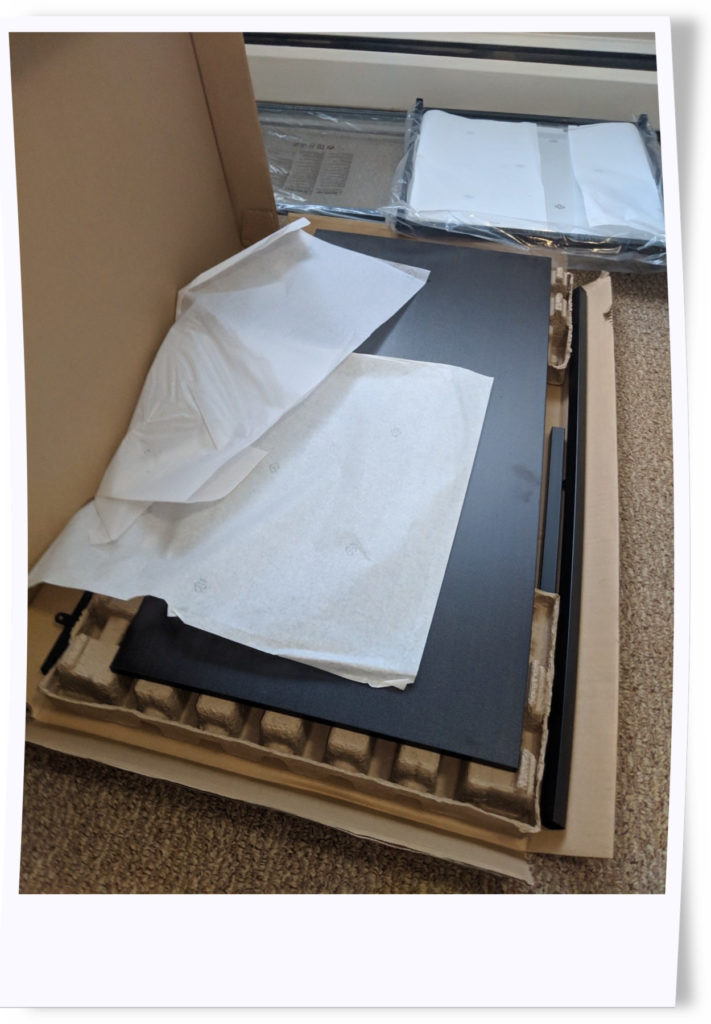
I purchased the VITTSJÖ Nesting tables from IKEA for $79.99 CAD (before taxes). They came in a set of two in the color black-brown, with tempered glass tabletops. Honestly, this was such a good deal, if you ask me—You are getting two tables for the price of one!
What I love most about this set is how versatile it is. Each table can stand alone and serve as a nightstand, side table, lap desk, or coffee table, while the nesting design lets you stack them together to make smaller spaces in your home appear or feel larger.
Step 2: Assemble Purchase
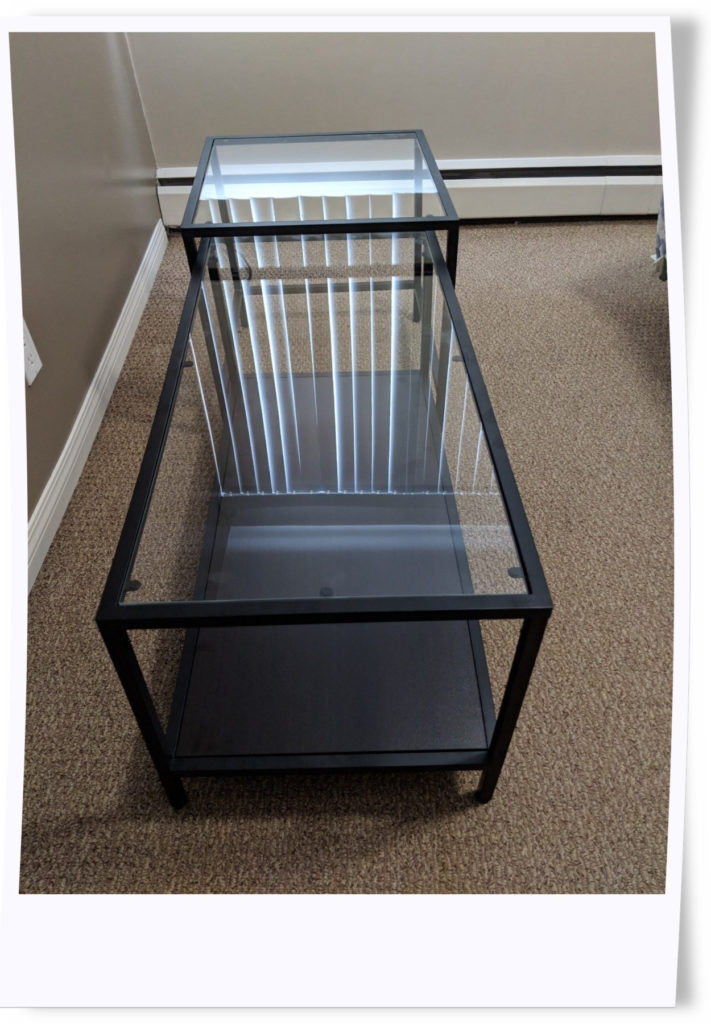
This was by far the fastest and easiest piece of furniture I have ever had to assemble. The first thing I always do prior to putting any furniture together is prep my workspace. Not only does clearing an area create a safe environment for me, but it also mentally prepares me for the task ahead.
After opening the package and laying out all the parts, I always check for any manufacture damages or defects. From there, I skim through the illustrated instructions to see if any additional tools are required for the assembly process.
Step 3: Prime
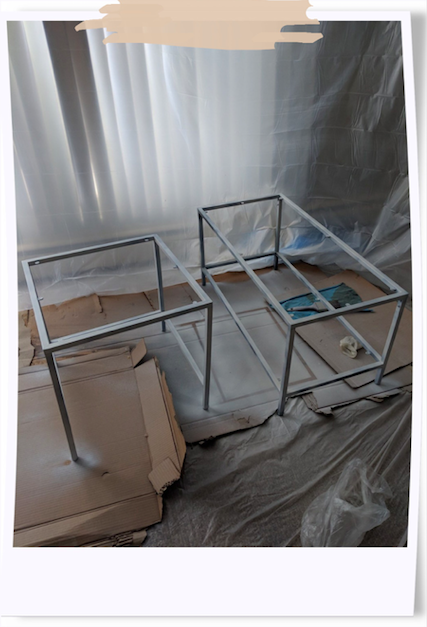
Some people will skip this step, but I think this step is important. Applying primer prior to spray painting helps ensure that your topcoat goes smoothly for a nice, even finish. Otherwise, you may end up needing several coats of spray paint to get the coverage you desire.
The primer I used was the Rust-Oleum Painter’s Touch 2X Ultra Cover Paint + Primer (Flat White, 12 oz.) , which can be purchased at any hardware store or even Walmart. I picked mine up at The Home Depot. Initially, I only purchased one can, which wasn’t sufficient for a second coat—so I ended up making a second trip, this time to Walmart. It’s not mandatory that you apply two coats, but I wanted to ensure I was getting my desired coverage for uniform results.
Step 4: Spray Paint
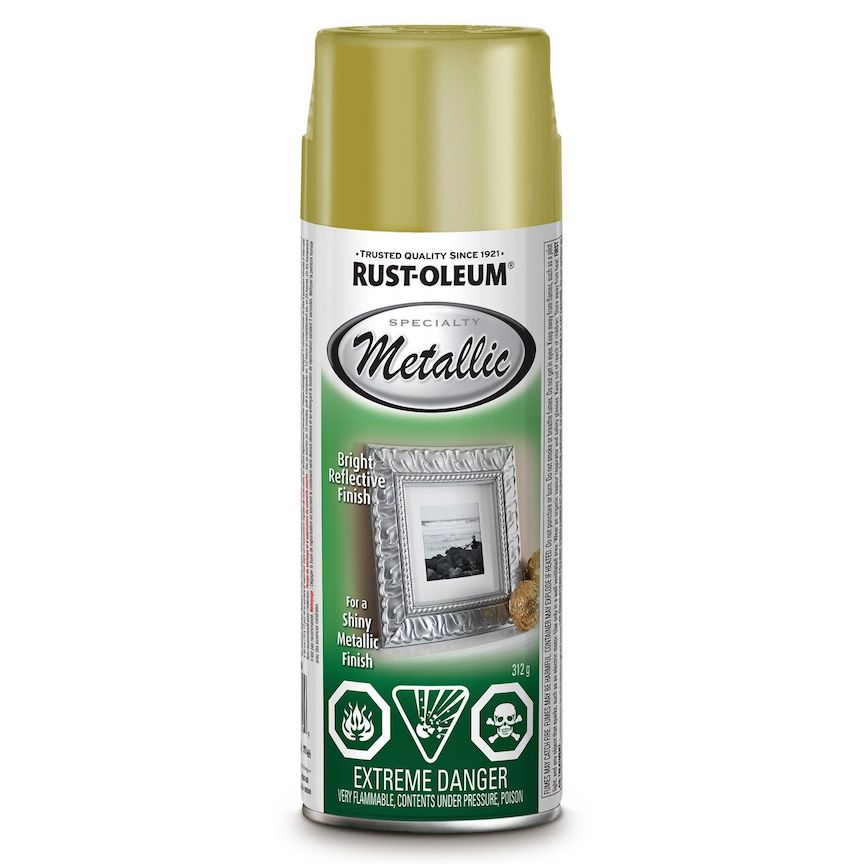
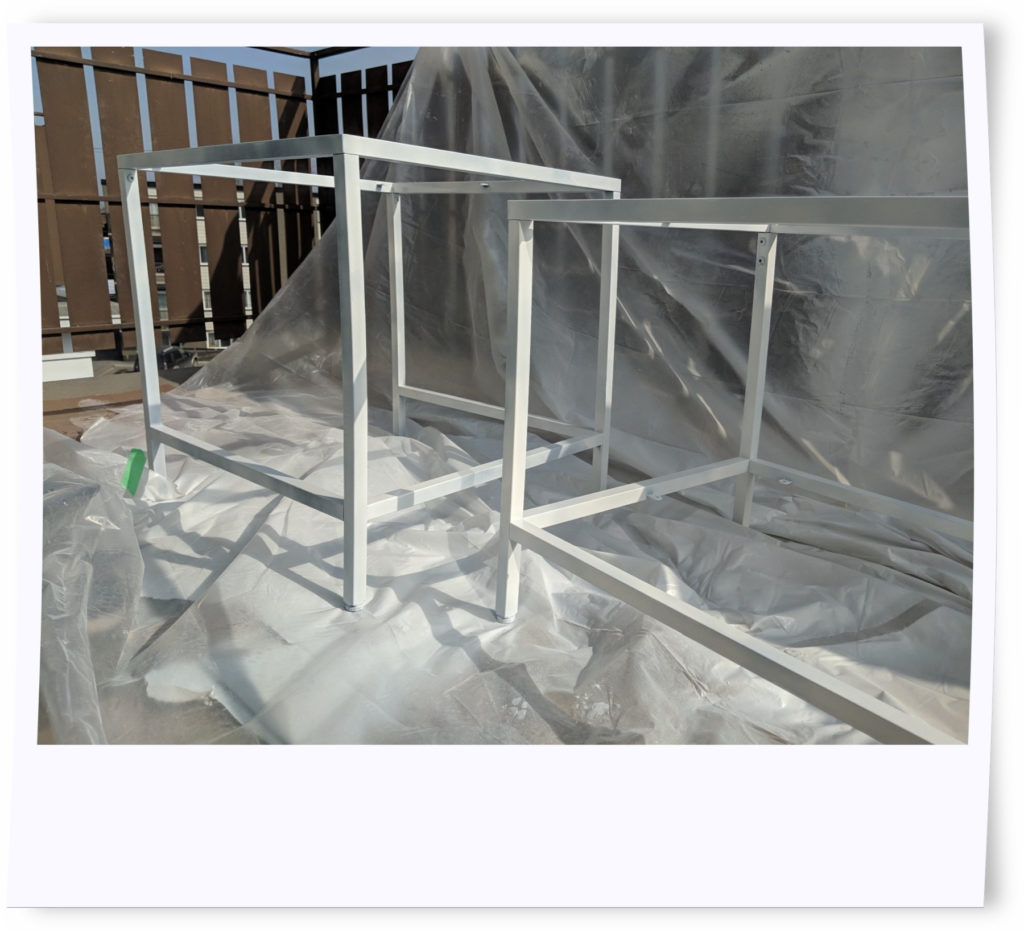
After allowing the primer to dry completely, I moved on to spray painting the frames using Rust-Oleum Metallic Finish – Gold (also purchased from The Home Depot), making sure that the entire surface was evenly coated. Allow the frames to dry completely prior to touching or moving them. Once they are dry, place the tempered glass tabletops on—and voila!
Step 5 (Optional): Applying a Decorative Self-Adhesive Film
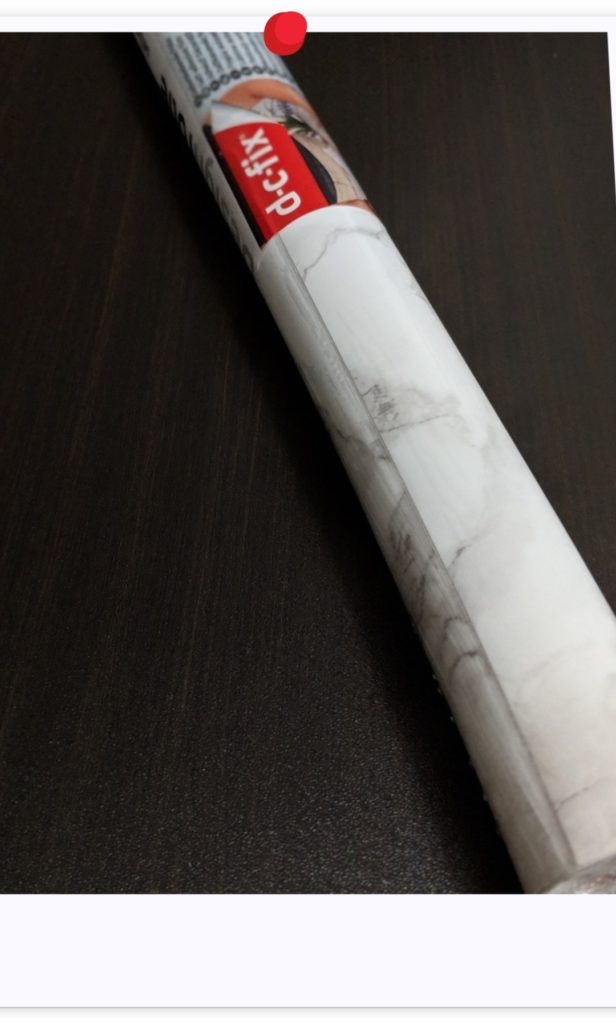
This step is totally optional. If you’re satisfied with the gold finish you achieved in Step 4, you can skip this step. However, if you’d like to add an extra something, something—a little extra glam, class, and elegance to your space—then this step is for you.
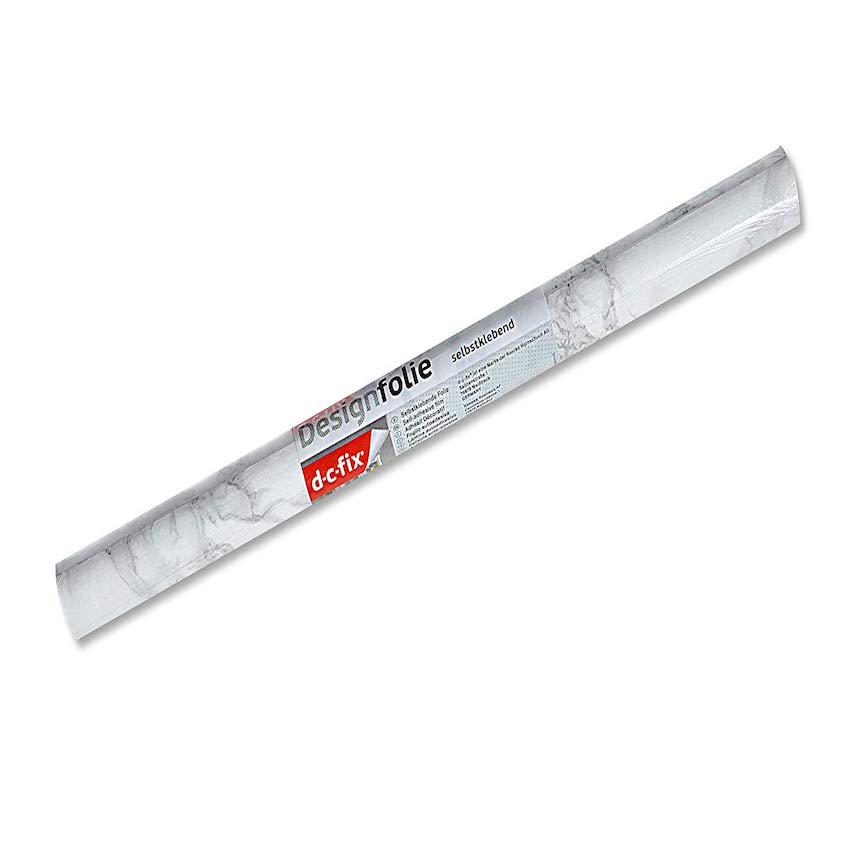
Originally, I had planned to just spray paint the tables gold, but all that changed when Youtuber, Kathlyn Celeste’s “$300 Living Room Makeover on a Budget! DIY Decor” video appeared in my recommended playlist, which sparked the idea of using a faux-marble decorative self-adhesive film.
Prep
First, it is important that the bottom shelf panel (the surface the film will be applied to) is clean and free from any dust or greasy residue.
Measure & Cut
Next, I measured the length and width of the panel using a ruler and then marked those dimensions onto the back of the film backing paper, adding an extra 2-3 cm in the event I made any measurement errors. I’m not sure if all self-adhesive films have the grid trimming guidelines on the backing paper for precise cuts, but the one I ordered off Amazon did, and it was helpful. Once everything was marked out, I proceeded to cut the film down to size with scissors.
Application:
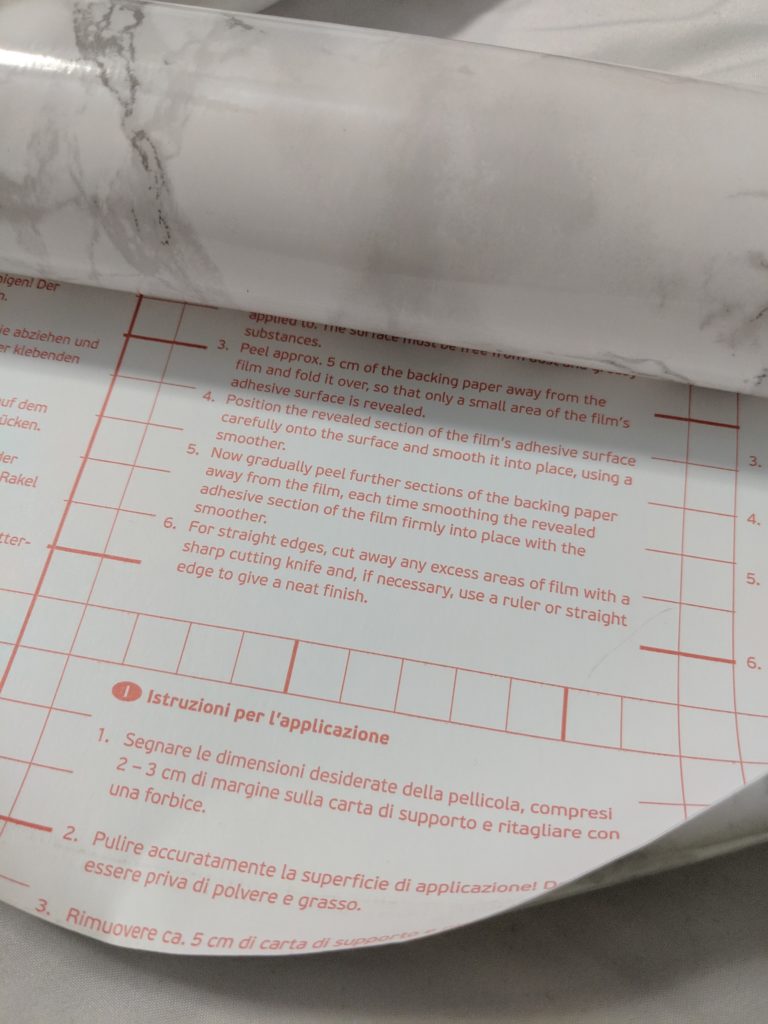
So, here is where things get a little tricky—well, at least for me they did. Patience is crucial during this application process. To start, I placed the cut film to over the panel with the backing paper still attached, smoothing it flat and making sure that it fit the surface properly.
Peel & Position
With the film flattened, smooth and properly aligned, I started peeling. It is required that you peel approximately 5 cm of the backing paper away from the top edge and fold that paper over, so that only a small area of the film’s adhesive is exposed.
Next, carefully position that exposed adhesive section onto the edge of the panel and press it into place using a smoothing tool. I didn’t have a smoother on hand, so I ended up using my debit card (lol) for this step, working it firmly from side-to-side. The purpose for using a smoother—or any thin, flexible flat object—is to flatten out wrinkles and push out any trapped air bubbles before they set.
I continued slowly peeling off the backing paper, revealing more of the adhesive while smoothing the surface and edges with my debit card until the entire panel was covered. In order for me to create neat corners, I folded the excess corner film inward to create a diagonal crease line. Using my scissors, I cut along that diagonal line and overlapped one edge over the other. (If you don’t have the patience for that, you can trim the excess film with scissors).
Final Assembly
(All done!)
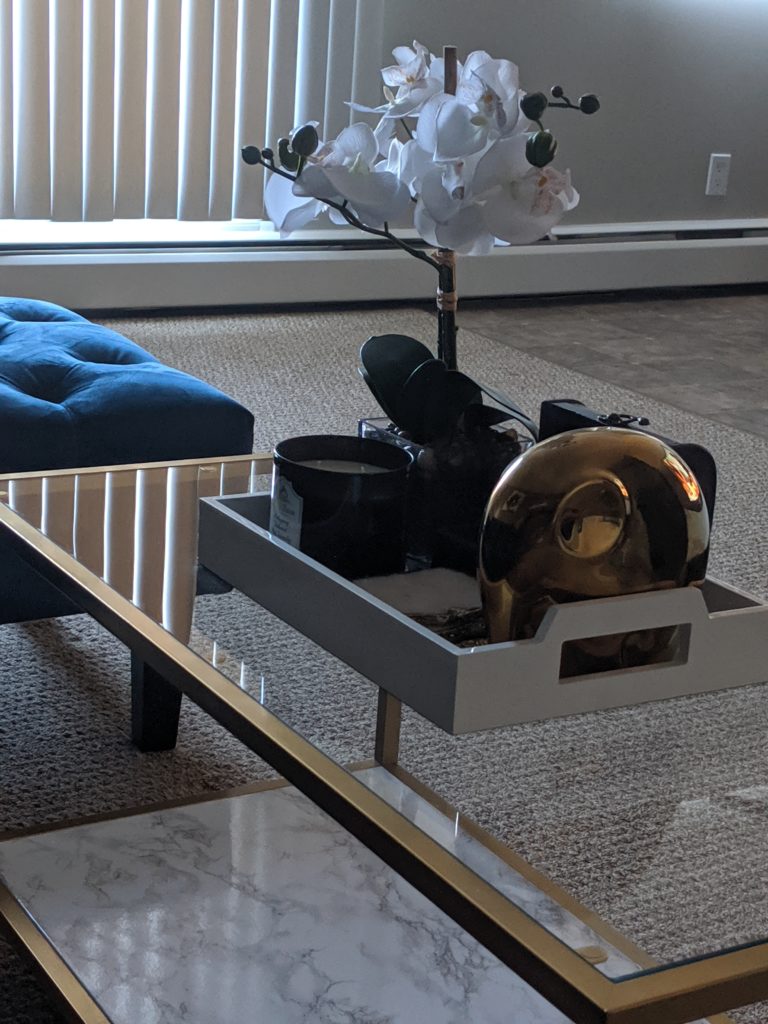
Now that the decorative contact paper is smoothly applied to the panel, I was able to screw and secure my now classy faux marble panel to the base of the coffee table. From there, I placed the tempered glass tabletops back onto the frame to complete the look.
Final Thoughts
I really enjoyed this DIY project. Although it requires a lot of patience, the steps are simple to do. On top of that, I achieved the aesthetic I was going for.

In the Comments Below

Let me know what you think of the final transformation! And if you’ve completed any DIY projects of your own, please share what you made and who or what inspired you.
Until next time!
Leave a Reply