I am keeping things light for today’s post. As someone on a journey to achieve healthy coils and length retention, I have realized how vital it is to understand my hair’s physical characteristics. Knowing these details helps me select the right products, choose better styles or styling techniques, and customize a routine that truly works for me. My goal is optimal hair health and to reach my 2026 hair aspirations, which I will share in a future post. For today, we are discussing hair porosity.
What Is Hair Porosity?
Hair Porosity 101:
First, hair porosity refers to the hair’s ability to absorb and retain moisture, which directly affects how your hair responds to products. In order to understand your own hair, it is important to know the difference between the three types of porosity: high, medium/normal, and low.

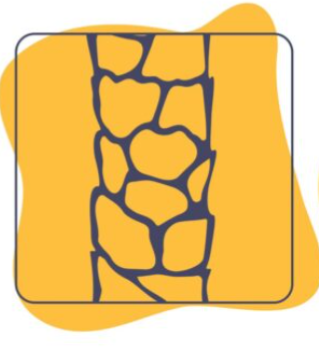
• High Porosity:
This occurs when the hair’s protective cuticle layers are lifted or damaged due to environmental stressors, chemical treatments, or excessive (mechanical) manipulation. While this allows for quick moisture absorption, it also means moisture escapes just as fast. As a result, this often leads to chronic dryness and hair that becomes swollen, frizzy, or puffy because of the irregular shape of the lifted cuticles.
• Medium (Normal) Porosity:
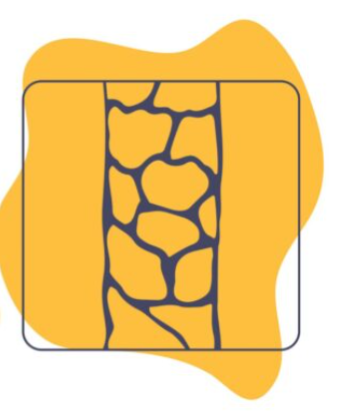
This falls in the middle of the spectrum between the two extremes (high and low). Since the cuticle layers are only slightly open, it allows for steady moisture absorption and retains it well. Because it maintains such a healthy balance, this is often considered the most low-maintenance type, requiring very little effort to stay hydrated.
• Low Porosity:
This occurs when the cuticle layers are tightly closed along the hair shaft, making the hair reluctant to absorb moisture or chemical treatments. This structure is usually how the hair grows out from the follicle—often seen in virgin hair that has not experienced the damage or lifting caused by heat or chemicals. Although low porosity hair is resistant to absorption, the upside is that once you finally get that moisture in, it stays locked in for a long time.
My pOROSITY pROFILE
Now that we have covered the basics of the three porosity types, I want to bring the focus back to the heart of this blog: my own journey. After paying close attention to how my hair behaves and looking through information online, I have realized that my hair porosity profile is low. Identifying this has made such a difference in my progress; it has helped me to start working with my hair rather than against it.
As a low porosity girl, here are the specific behaviors I noticed that confirmed it for me:
• Water beading up: I noticed that water just sits on the surface of my hair rather than soaking in immediately. It takes a considerable amount of time for my hair to be fully saturated.
• Wait-time: I have found that my hair requires a lot of time to fully dry, as it is a slow process.
• Prone to build-up: I dealt with products that rested on the surface of my hair, which led to product build-up because nothing seemed to penetrate.
To help improve absorption, I have started doing a few things that actually work:
• Warm water: Use warm water to help open up my cuticles before applying products.
• Clarifying shampoo: Apply clarifying shampoo to remove existing product build-up.
• Heat application: Use a heating cap (or steam) during deep conditioner treatments. This has always been an essential step for me, and it has truly enhanced my moisture absorption.
• LCO method: Faithfully practice the Leave-in, Cream, and Oil (LCO) method for keeping my hair moisturized.
• Penetrating oils: Be intentional about using penetrating oils that can actually enter the hair shaft rather than just coating the surface.
• Low porosity products: Select hair products that are specifically formulated for low porosity hair.
How To Check Your Hair Porosity
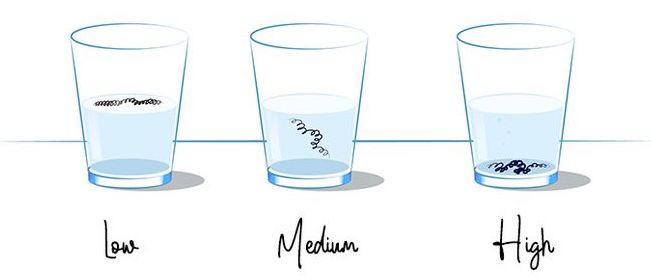
Now that I have shared my hair porosity, you might be wondering how to figure out yours. The best advice I can give is to pay close attention to how your hair behaves in the shower, how it reacts during product application, and how it feels overall. Alternatively, there are three common tests that you can try at home to determine your hair’s ability to absorb and retain moisture:
• The Float Test:
Place a clean, product-free strand of hair into a glass of room-temperature water. If it stays near the top, chances are you have low porosity. If it sinks slowly to the middle, it is medium (normal), and if it sinks quickly to the bottom, it is high.
• The Spray Bottle Test:
Spritz a small section of dry, clean hair with water. If the water forms beads on the surface of your hair, it is a good indicator of low porosity.
• The Strand Test:
On freshly cleaned and dried hair, gradually slide your fingers up along the length of a single strand toward your scalp. If it feels smooth, your cuticles are tightly bound (low porosity); if it feels rough or bumpy, your cuticles are lifted (high porosity).
In the comment Below
Now that I have shared my hair porosity profile, it is your turn. Which of the three types does your hair fall into? Let me know in the comment below.
Leave a Reply